

What Is Thought And How It Affects Humane Life
It's essential to be aware of the impact of our thoughts on our lives.
Y SIDHARTH
7/25/20232 min read
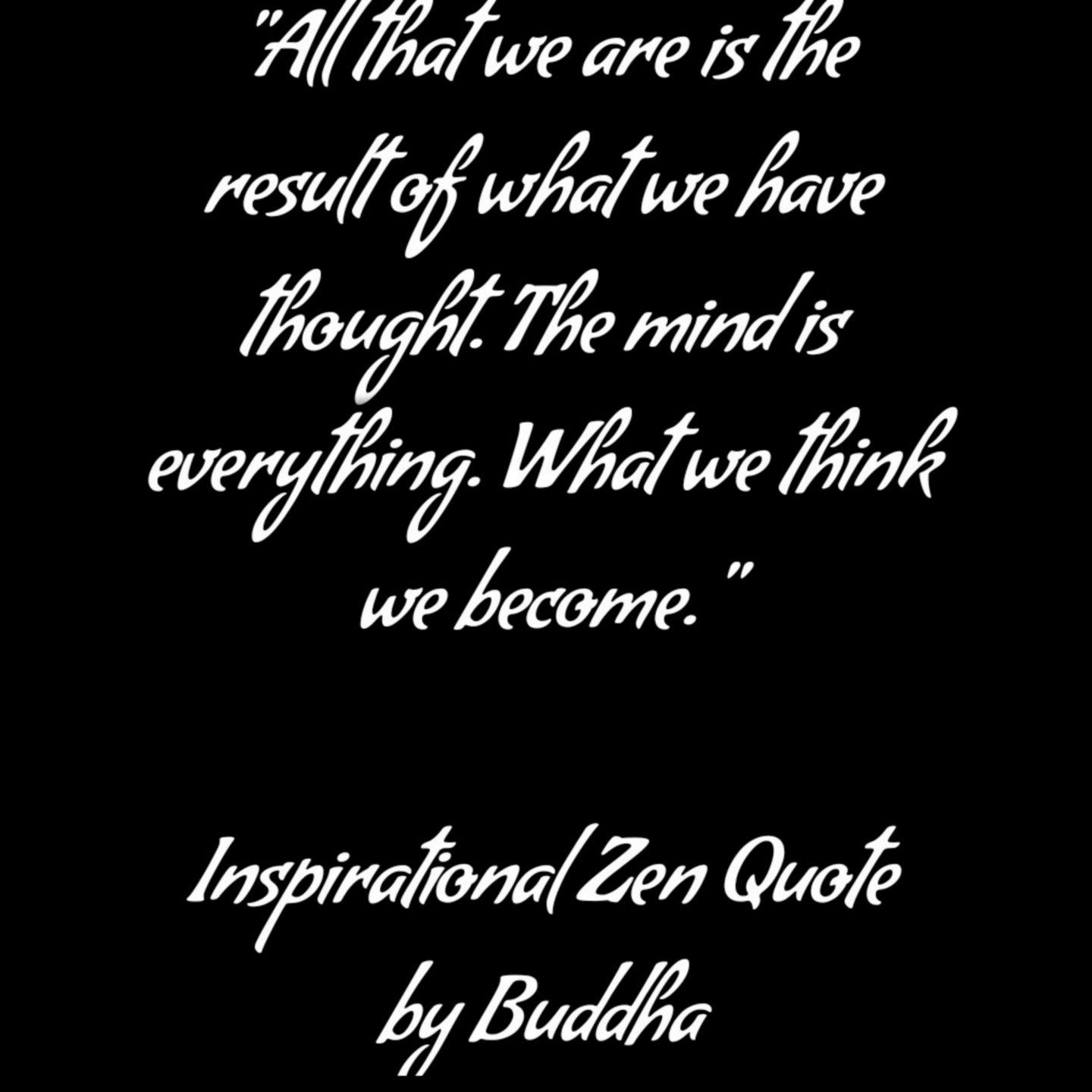
What Is Thought And How It Affects Humane Life
The processing of information, ideas, beliefs, feelings, and perceptions—whether conscious or unconscious—results in thoughts, which are mental processes or cognitive activities. They are our internal conversations or mental images of the outside world and ourselves. External stimuli, previous experiences, cultural background, and individual beliefs can all have an impact on one's thoughts.
Here's how thoughts can affect human life:
1. Emotional Responses: Emotions are directly influenced by thoughts. While negative ideas can elicit unpleasant emotions like sadness, fear, and rage, positive thoughts can result in feelings of pleasure, happiness, and satisfaction. Our emotional experiences can be strongly influenced by how we mentally perceive events and circumstances.
2. Behavioural Patterns: Thoughts affect behaviour. The decisions we make, the steps we take, and the interactions we have with others may all be influenced by our thoughts. For example, if someone consistently thinks negatively about their abilities, they may avoid challenges and opportunities for growth.
3. Perception of Reality: Our perspective of the world is influenced by our thoughts. Our ideas and beliefs have an impact on how we understand events and experiences. Depending on their attitudes and ideas regarding the issue, two people may have quite different experiences of the same thing.
4. Self-Esteem and Confidence: How we say to ourselves (our self-talk) greatly influences how we feel about ourselves. While negative self-talk can result in poor self-esteem and self-doubt, positive self-talk can increase self-confidence and support a healthy self-image.
5. Stress and Mental Health: Rumination and persistently unpleasant thoughts can exacerbate stress and mental health conditions including anxiety and depression. On the other hand, practicing constructive thinking patterns can increase mental health and resilience.
6. Problem-Solving and Creativity: Thinking is necessary for both of these processes. The caliber of our thoughts determines our capacity for critical thought, situational analysis, and the generation of original ideas.
7. Interpersonal Relationships: Our perceptions of and interactions with others are influenced by our thoughts. While negative ideas can result in disagreement and misunderstanding, positive thoughts about others can promote empathy, understanding, and stronger relationships.
8. Physical Health: There is research that suggests persistently negative thinking may be harmful to one's physical well-being. Negative thinking can increase health problems such as immune system deterioration, diseases brought on by stress, and other conditions.
9. Goal Achievement: Thoughts can impact our motivation and determination to achieve goals. Positive and focused thoughts can enhance our commitment to success, while negative thoughts can hinder progress.
It's essential to be aware of the impact of our thoughts on our lives. While we may not always have control over the thoughts that arise, we can develop mindfulness and cognitive strategies to challenge and reframe negative thought patterns. Cultivating a more positive and constructive mindset can lead to a more fulfilling and healthier life. Seeking professional help, such as therapy or counselling, can also be beneficial in addressing persistent negative thought patterns and improving overall well-being.