
THE ROLE OF DOPAMINE IN MENTAL HEALTH AND STRATEGIES FOR MANAGEMENT
Dopamine, a neurotransmitter often referred to as the brain's "feel-good" chemical, plays a fundamental role in regulating various aspects of mental health. Its influence on mood, motivation, reward, and cognitive functions has garnered significant attention in the fields of neuroscience and psychology.
Y SIDHARTH
8/15/20233 min read
The Role of Dopamine in Mental Health and Strategies for Management
Dopamine, a neurotransmitter often referred to as the brain's "feel-good" chemical, plays a fundamental role in regulating various aspects of mental health. Its influence on mood, motivation, reward, and cognitive functions has garnered significant attention in the fields of neuroscience and psychology. Understanding the pivotal importance of dopamine in mental well-being and adopting effective strategies for its management is crucial for fostering a balanced emotional state.
Dopamine's Impact on Mental Health
Dopamine serves as a vital messenger in the brain, transmitting signals between nerve cells (neurons) that shape mental and emotional experiences. Its influence is far-reaching and includes:
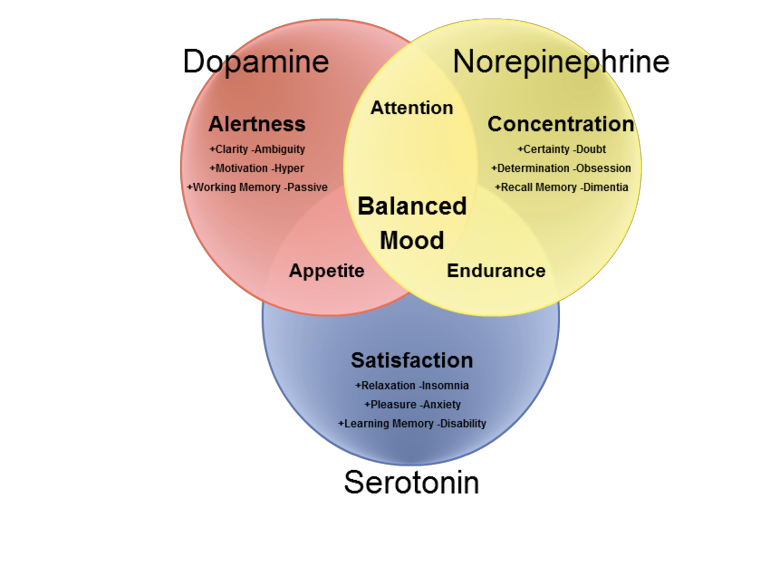
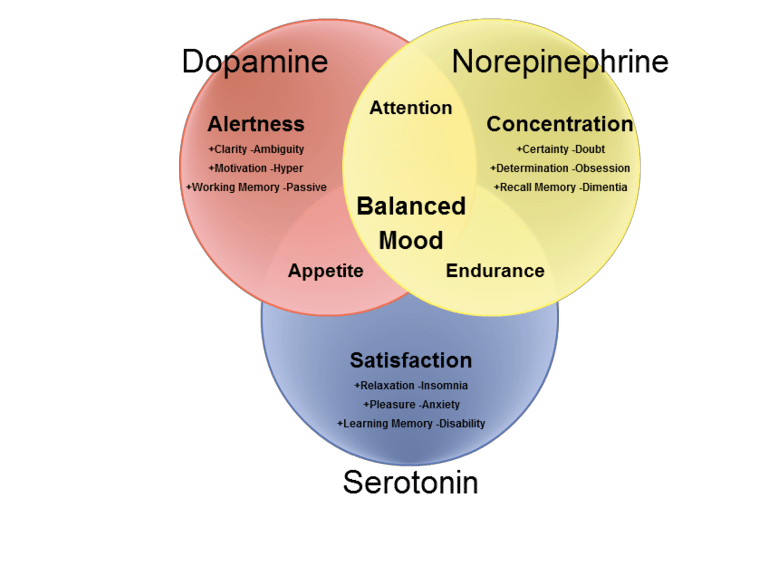
1. Mood Modulation: Dopamine intricately regulates mood and emotional responses. Optimal dopamine levels are associated with feelings of pleasure, contentment, and happiness. Imbalances in dopamine can contribute to mood disorders, such as depression and bipolar disorder.
2. Motivation and Reward: The brain's reward system is driven by dopamine, influencing motivation, goal-oriented behaviour, and the perception of pleasure. Balanced dopamine activity encourages individuals to pursue rewarding experiences, fostering a sense of accomplishment and satisfaction.
3. Cognitive Functions: Dopamine is essential for various cognitive processes, including attention, learning, memory, and problem-solving. Proper dopamine function enhances cognitive flexibility and decision-making abilities.
4. Addiction and Impulse Control: Dopamine is implicated in addictive behaviours, as substances and activities that trigger dopamine release can lead to compulsive actions. This phenomenon is relevant to conditions like substance use disorders and behavioural addictions.
5. Stress Response: Dopamine interacts with the brain's stress response system, shaping how both mind and body react to stressors. Dysregulated dopamine levels can impact an individual's ability to cope effectively with stress.
Strategies for Managing Dopamine for Optimal Mental Health
Maintaining balanced dopamine levels is pivotal for mental well-being. While genetic factors contribute to dopamine function, several lifestyle factors and strategies can support effective dopamine management:
1. Nutrition and Hydration: A nourishing diet rich in amino acids, particularly tyrosine and phenylalanine, provides the foundation for dopamine production. Lean proteins like poultry, fish, legumes, and dairy products supply these essential precursors. Staying hydrated also supports neurotransmitter function.
2. Physical Activity: Regular exercise stimulates dopamine release and enhances receptor sensitivity. Engaging in aerobic activities such as jogging, swimming, or dancing boosts mood and motivation, fostering a positive mental state.
3. Quality Sleep: Prioritizing quality sleep is paramount for dopamine regulation. Inadequate sleep can reduce dopamine receptor sensitivity, affecting mood, cognitive functions, and motivation. Establishing a consistent sleep routine promotes healthy dopamine activity.
4. Stress Management: Chronic stress disrupts dopamine balance. Practicing stress-reduction techniques like mindfulness, meditation, deep breathing, and yoga restores equilibrium and improves overall mental resilience.
5. Social Connections: Meaningful social interactions and relationships trigger dopamine release. Engaging in positive social activities and nurturing a supportive network contributes to emotional equilibrium.
6. Goal Setting and Achievement: Establishing and achieving goals stimulates dopamine release, instilling a sense of accomplishment and motivation. Begin with realistic, attainable objectives and progress towards larger aspirations.
7. Mindful Technology Usage: Excessive digital device and social media use can influence dopamine regulation. Practicing mindful technology engagement and setting boundaries prevents overstimulation and supports mental balance.
8. Limit Stimulant Intake: While caffeine and nicotine temporarily elevate dopamine levels, excessive consumption can lead to receptor desensitization. Moderation is essential for balanced dopamine function.
9. Professional Support: In cases of significant dopamine-related imbalances, seeking guidance from mental health professionals offers targeted interventions and treatments for restoring equilibrium.
Dopamine's multifaceted impact on mental health underscores its significance in shaping mood, motivation, cognition, and behaviour. Fostering dopamine equilibrium through intentional lifestyle adjustments and mindful choices is central to overall mental well-being. By integrating a synergy of wholesome habits, stress management strategies, and robust social support, individuals can optimize dopamine function and enhance their mental health, ultimately cultivating a more gratifying and fulfilling life.