

The Power of Awareness — Sharpening the Mind’s Eye
Observation is not a talent; it’s a discipline of presence. When you learn to really see, you stop living mechanically and start living consciously. And that single shift—from seeing to noticing—can change the entire direction of your learning, your focus, and your life.
10/28/20253 min read
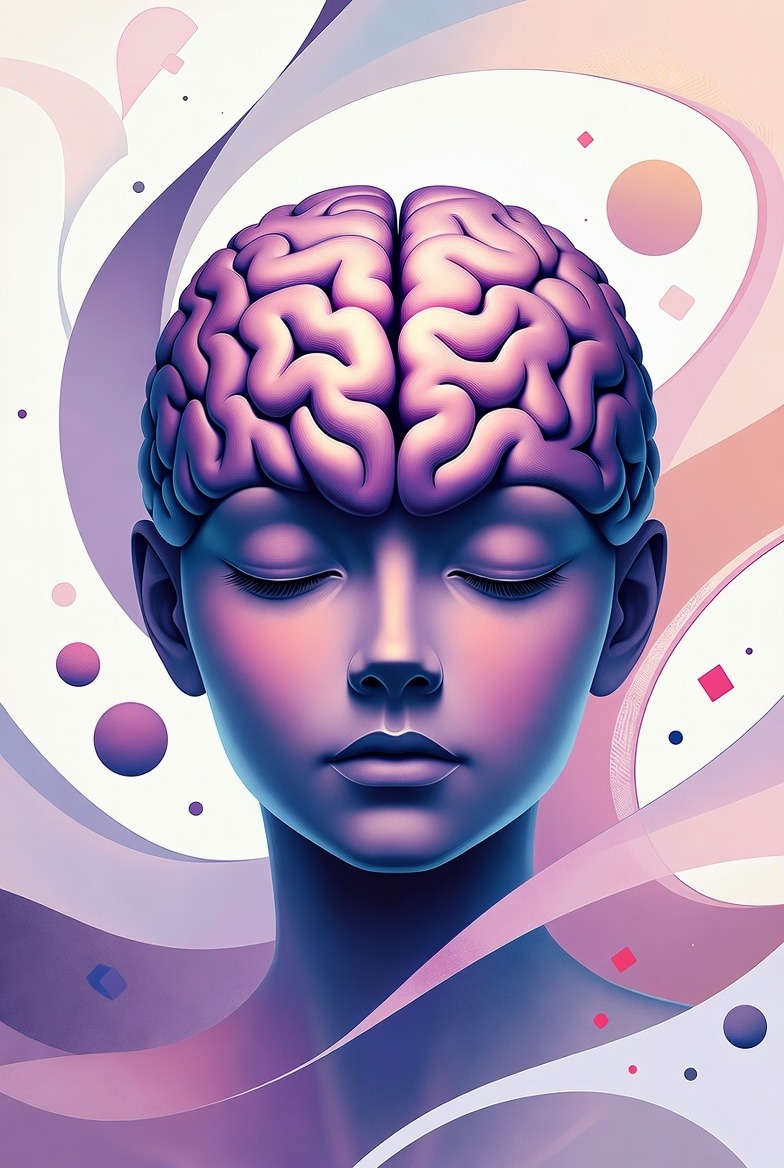
The Power of Awareness — Sharpening the Mind’s Eye
Let me tell you a small story.
Once, during a mock test session, I asked my students to count how many times a red car appeared in a short video clip. Most of them focused so hard on counting the red cars that they completely missed the person in a gorilla costume walking right through the middle of the scene. They laughed when they realized it later—but that laughter carried an important lesson: we often see only what we are looking for.
That’s where observation power comes in.
Observation isn’t just about using your eyes. It’s about training your mind to notice—patterns, details, emotions, body language, and even silence. It’s one of the most underrated superpowers you can build, especially if you’re preparing for competitive exams or working toward a career that demands sharp thinking, like a loco pilot, an officer, or an analyst.
What Observation Really Means
People often confuse observation with eyesight. But eyesight is just biological; observation is psychological. Observation is when your mind’s eye starts to participate in what your physical eyes are seeing. It means catching small clues others miss, connecting dots, and reading situations rather than just looking at them.
When I was teaching reasoning classes, I noticed one thing about top scorers—they didn’t always study more than others, but they noticed patterns better. They didn’t just solve a question; they watched how the question was framed, why a particular option was placed to mislead, where they made an error last time. That’s observation in action.
Why It Matters in Exams (and in Life)
Let’s be honest—competitive exams are not always about knowledge. They’re about how alert your brain is under pressure.
If you read a question carelessly, one missing “not” or “except” can cost you marks.
If you observe carefully, you gain an edge without even studying more.
And beyond exams? Observation makes you emotionally intelligent. You begin to notice when your mind is getting tired, when someone is hiding anxiety behind a smile, or when a situation is shifting tone. It’s what keeps you centred in chaos.
How to Train Your Observation Power
Observation can be developed just like muscle strength. Try these small but powerful exercises:
The Detail Game:
When you go out for a walk, try to recall later how many trees you saw, or what colour the fourth car you crossed was. Sounds simple—but it forces your brain to pay attention.
Object Analysis:
Pick up a random object (a pen, a cup, a watch). Observe it for 30 seconds. Now close your eyes and describe it in as much detail as possible—shape, weight, texture, colour variations, even scratches.
People Watching (mindfully):
Observe people without judging them. Notice their gestures, tone, speed of speech. You’ll be surprised how much you can read about someone’s mood or confidence just by watching closely.
Daily Reflection:
Before sleeping, replay your day like a movie. What details did you miss? Which situations could you have handled better if you had noticed more?
A Deeper Layer: Observation as Meditation
Observation, at its highest form, becomes a kind of meditation in motion.
When you learn to simply observe—your breath, your thoughts, your surroundings—without reacting, your mind becomes quieter and sharper. This is the essence of Pratyahara from yoga philosophy: withdrawing your senses from distractions and turning observation inward.
That’s why great leaders, artists, and yogis all share one thing in common—they see what others overlook.
Quick Reflection
When was the last time you noticed something everyone else missed?
How often do you read a question or situation too fast and regret later?
Can you train yourself to pause for two seconds and observe before reacting?
Short Exercise
For the next 24 hours, do this simple challenge:
Observe five things you usually ignore—like the texture of your notebook, the tone of your friend’s voice, the smell in your study room, or the rhythm of your breath.
Write them down. You’ll start noticing a quiet alertness rising within you.
Observation isn’t a talent—it’s a discipline of attention.
Once you develop it, you’ll start seeing the invisible patterns that guide both exam success and personal growth.
And trust me—those who can see clearly, think clearly.