

The Chemistry of Happiness & The Role of Brain
What makes us happy - our brain's chemical upheaval? Are there genetic factors behind our happiness? Let's do a post-mortem of happiness in this blog
Y SIDHARTH
7/23/20232 min read
The Chemistry of Happiness & The Role of The Brain
Happiness is a complex and subjective emotion that plays a significant role in our overall well-being and quality of life. While external factors can influence our happiness to some extent, recent scientific research suggests that the brain is a crucial determinant of our happiness levels. This article explores the intricate relationship between the brain and happiness, shedding light on the neural mechanisms and processes that contribute to our experience of joy and contentment.
#Neurotransmitters and Happiness
Neurotransmitters are chemical messengers in the brain that facilitate communication between neurons. Several neurotransmitters have been associated with happiness, including dopamine, serotonin, and endorphins.
· Dopamine plays a crucial role in the brain's reward system, contributing to feelings of pleasure and motivation.
· Serotonin is involved in regulating mood and has been linked to feelings of well-being and happiness.
· Endorphins are natural painkillers that are released during physical activity or pleasurable experiences, producing a sense of euphoria and contentment.
#Amygdala and Emotional Processing
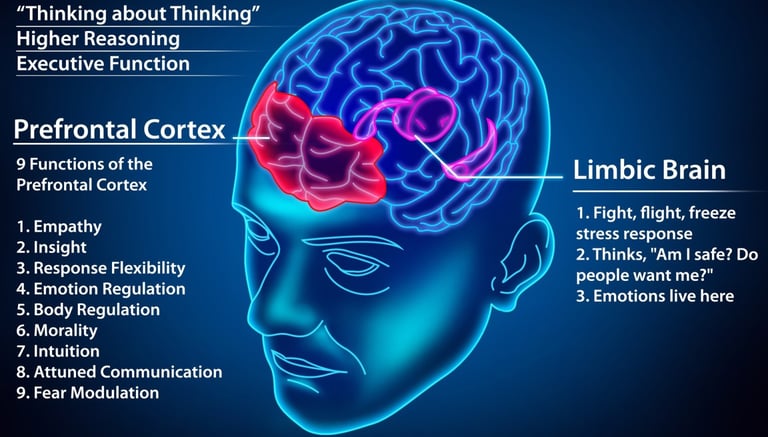
The amygdala, an almond-shaped structure deep within the brain, plays a central role in emotional processing. It is responsible for the detection and interpretation of emotional stimuli, such as threats or rewards. Studies have shown that individuals with a larger amygdala tend to have a greater capacity for experiencing positive emotions. Moreover, the amygdala's connections with other brain regions, such as the prefrontal cortex, influence emotional regulation and play a vital role in shaping our happiness.
#Prefrontal Cortex and Cognitive Appraisal
The prefrontal cortex, the front part of the brain, is involved in higher cognitive functions such as decision-making, reasoning, and goal setting. It also plays a crucial role in cognitive appraisal, the process by which we interpret and evaluate events in our lives. Research suggests that individuals with greater prefrontal cortex activity tend to have a more positive outlook and experience higher levels of happiness. Additionally, the prefrontal cortex helps regulate emotional responses, enabling us to adapt and cope with various life circumstances.
#Neuroplasticity and Happiness
Neuroplasticity refers to the brain's ability to reorganize itself by forming new connections between neurons. It plays a fundamental role in our capacity for learning, memory, and emotional well-being. Studies have demonstrated that engaging in activities that promote positive emotions and well-being, such as gratitude exercises or meditation, can lead to changes in brain structure and function. These changes enhance neural pathways associated with happiness, strengthening the brain's capacity for positive emotions over time.
#Happiness Set Point and Genetic Factors
Research suggests that our baseline level of happiness, often referred to as the "happiness set point," is partially influenced by genetic factors. Studies conducted on twins have shown that genetics account for about 50% of the variation in happiness levels among individuals. Specific genes related to neurotransmitter regulation and mood have been identified as potential contributors to individual differences in happiness. However, it is essential to note that genetic factors are not the sole determinants of happiness, and environmental factors and personal choices also play significant roles.
#Happiness and Social Connection
Human beings are social creatures, and social connections have a profound impact on our happiness. The brain's reward system is activated when we engage in positive social interactions, leading to increased feelings of happiness and well-being. Oxytocin, often referred to as the "love hormone," is released during bonding experiences and promotes trust, empathy, and social connection. Maintaining healthy relationships and fostering social connections can thus have a substantial positive influence on our happiness levels.