

ROLE OF OBSERVATION POWER AND WAYS TO INCREASE IT
The ability to properly observe and comprehend things in one's environment is referred to as observation power, also known as observational abilities or powers of observation. It is essential for learning, problem-solving, making decisions, and engaging in social relationships, among other aspects of life.
Y SIDHARTH
7/21/20232 min read

Role Of Observation Power And Ways To Increase It
The ability to properly observe and comprehend things in one's environment is referred to as observation power, also known as observational abilities or powers of observation. It is essential for learning, problem-solving, making decisions, and engaging in social relationships, among other aspects of life. Here are several reasons for the significance of observation power:
1. Education & Learning: The main source of knowledge is observation. You may learn from your environment, expand your knowledge, and gain useful information by paying close attention to details and watching things attentively.
2. Problem-Solving: Observation may be used to spot patterns, relationships, and oddities that can assist solve problems. It enables you to organize relevant information, link different pieces of knowledge, and come up with original answers.
3. Decision-Making: Effective observation leads to better decision-making. By observing and analyzing the situation, you can evaluate options, anticipate outcomes, and make informed choices.
4. Communication and Interpersonal Skills: You can interpret non-verbal clues, decipher body language, and recognize subtle social cues if you have good observational abilities. This improves your capacity for clear communication and solid interpersonal bonds.
5. Security and Safety: Being aware of one's surroundings helps in spotting possible dangers, risks, or threats. By enhancing situational awareness, it ensures one's security and safety.
To improve your observation power, you can practice the following techniques:
1. Be Present and Mindful: Pay attention to the present moment and avoid distractions. Engage all your senses to capture details accurately.
2. Sharpen Your Senses: Work on your olfactory, tactile, auditory, and visual abilities. Keep an eye out for slight variances and changes in your surroundings.
3. Practice Active Listening: When dealing with people, pay close attention to their non-verbal signs and listen carefully. This will assist you in learning more and completely understanding the topic.
4. Play memory games: Play games, solve puzzles, or spot-the-difference tasks that will test your memory and observational abilities.
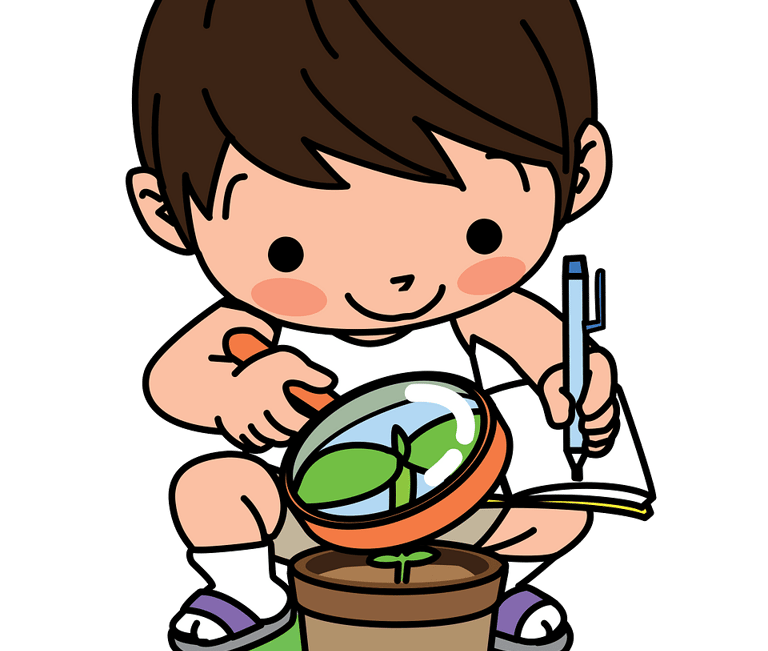
5. Observe and Describe: Take time to observe specific objects, scenes, or situations. Try to describe the details in your mind or by writing them down. This enhances your ability to notice and recall information accurately.
6. Change Your Perspective: Look at things from different angles and perspectives. This enables you to take notice of details that might not be obvious at first.
7. Explore New Environments, Cultures, and Activities: Seek out new experiences. By exposing you to new stimuli, this improves the range of your observational abilities.
Keep in mind that developing better observational skills takes time, practice, and intentional effort. By using these methods in your daily life, you can improve your ability to observe others and you can enhance your powers of observation and gain valuable insights from your surroundings.