

Mastering the Art of Deep Controlled Breathing(Part 4 of 4)
The right process of breathing involves using the diaphragm effectively to ensure efficient oxygen exchange and relaxation. Here's a step-by-step guide to diaphragmatic breathing, also known as deep or controlled breathing:
9/6/20232 min read
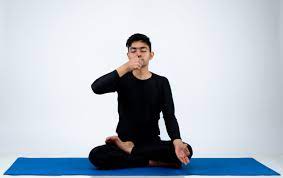
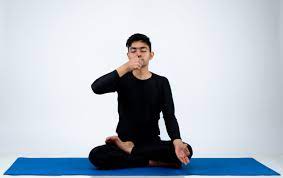
"Mastering the Art of Proper Breathing: A Step-by-Step Guide to Optimal Respiratory Technique"
The right process of breathing, often referred to as diaphragmatic or deep breathing, involves using the diaphragm to breathe more efficiently and effectively. Here's a step-by-step guide to practicing proper breathing:
1. Find a Comfortable Position: To begin deep breathing, find a comfortable position. You can sit in a chair with your back straight or lie on your back with a pillow under your head and knees for support.
2. Place Your Hand on Your Abdomen: Put one hand on your chest and the other hand on your abdomen, just below your ribcage.
3. Inhale Slowly and Deeply: Breathe in through your nose slowly and deeply. As you inhale, focus on allowing your abdomen to rise and expand. You should feel your hand on your abdomen moving outward, while the hand on your chest should remain relatively still.
4. Exhale Gradually: Exhale slowly and steadily through your nose. As you exhale, feel your abdomen fall and contract.
5. Engage the Diaphragm: The key to proper breathing is engaging your diaphragm. The diaphragm is a dome-shaped muscle located just beneath your ribcage. When you inhale deeply, your diaphragm contracts and moves downward, creating more space for your lungs to expand.
6. Breathe Quietly and Smoothly: Your breath should be quiet and smooth, with no forced or exaggerated movements. Try to avoid shallow chest breathing, which involves lifting your shoulders and only using the upper part of your lungs.
7. Maintain a Relaxed Posture: Keep your shoulders relaxed and avoid tensing your neck or upper chest muscles. Let the movement of your diaphragm do the work of breathing.
8. Focus on the Breath: As you practice deep breathing, you can focus your attention on the sensation of your breath, the rise and fall of your abdomen.
9. Practice Regularly: Incorporate deep breathing into your daily routine. You can do it in short sessions throughout the day or dedicate specific times for longer practice.
10. Gradually Increase Duration: Start with a few minutes of deep breathing and gradually increase the duration as you become more comfortable with the technique.
Remember that deep breathing might feel unfamiliar at first, especially if you're used to shallow chest breathing. With practice, it will become more natural. Deep breathing is a valuable tool for relaxation, stress reduction, and overall well-being, so don't be discouraged if it takes some time to master.