

"INSTANT ANXIETY RELIEF: 15 TECHNIQUES TO CALM YOUR MIND AND FIND PEACE"
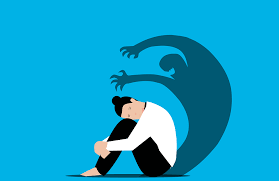
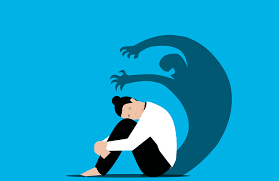
A person with anxiety often feels that they are being held back. You feel insinuated in public places, restlessness sets in as soon as you start interacting with a foreigner, and normal challenges feel gigantic. still, stay determined to test your boundaries and reach your pretensions despite having anxiety symptoms. These techniques will also prove to be very beneficial in those situations when your nervousness suddenly increases like you are going to appear in an interview, or, sitting in the examination hall, or have to give a public speech in front of people.
8/15/20232 min read
"Instant anxiety relief: 15 techniques to calm your mind and find peace"
Everyday anxiety management is challenging and difficult. Our anxiety level is increased by our habit of time travel and the feeling that our mind seems to be out of control. Our mental processes are built to defend us by nature. One of the most prevalent problems affecting people in the modern world is anxiety. When your mind goes into the future and detects a threatening circumstance, anxiety results. When our mind enters a panicked state, anxiety begins to manifest in our body. It has come so common that people have sorely started homogenizing it as a part of our life. It hampers our capability to serve typically and checks our creativity situations. A person battling constant anxiety can witness the impact of it in all aspects of life, whether it's work, connections, particular life, or health. still, you aren't alone, and you aren't helpless moreover.
You only need to master self-control and practice a few effective techniques that will rapidly lower your anxiety levels so you can gather your energy to accomplish more.
1. Deep Breathing: Take slow, deep breaths. Inhale deeply through your nose for a count of four, hold for four, and exhale through your mouth for a count of four. Repeat this several times.
2. Grounding Techniques: Focus on your senses to bring yourself into the present moment. Give examples of each of your senses: five things you can see, four you can touch, three you can hear, two you can smell, and one you can taste.
3. Progressive Muscle Relaxation: Tense and then slowly release each muscle group in your body, starting from your toes and working your way up to your head.
4. Visualization: Close your eyes and visualize tranquil and quiet surroundings. Utilize all of your senses to visualize every detail
5. Positive Self-Talk: Challenge negative thoughts with rational, positive ones. Remind yourself that anxiety is temporary and you have coped with it before.
6. Mindfulness Meditation: Focus on your breath or a simple sensation. When your mind wanders, gently bring your focus back without judgment.
7. Engage in an Activity: Do something you enjoy or that requires your full attention, such as drawing, reading, or solving puzzles.
8. Physical Activity: Go for a walk, do some light stretching, or engage in a short burst of exercise to release endorphins.
9. Aromatherapy: Certain scents, like lavender or chamomile, may help promote relaxation. Use essential oils or scented candles.
10. Listen to Music: Choose calming or soothing music that you enjoy. Music can have a positive impact on your mood.
11. Write It Down: Journaling your thoughts and feelings can help you gain perspective and release pent-up emotions.
12. Connect with a Supportive Person: Reach out to a friend or family member who understands and supports you.
13. Use a Stress Ball or Fidget Toy: Engaging your senses with touch can help redirect your focus and reduce anxiety. Some users believe these toys help them tolerate anxiety, frustration, agitation, boredom, and excitement.
14. Laugh: Watch a funny video, listen to a comedy podcast, or read a light-hearted book.
15. Limit Stimulants: Avoid caffeine, nicotine, and other stimulants that can exacerbate anxiety.
Remember that different techniques work better for different people, so it's a good idea to try a few and see which ones are most effective for you. If your anxiety is severe or persistent, seeking guidance from a mental health professional is essential.