

As is the Food, so is the Mind
Diet plays a significant role in influencing various aspects of human health, including the mind. The relationship between diet and the human mind is complex, and emerging research suggests that the foods we eat can have both short-term and long-term effects on cognitive function, mood, and mental well-being. Here are some ways in which diet can impact the human mind.
Y SIDHARTH
8/11/20232 min read
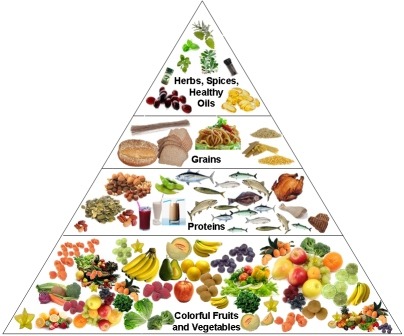
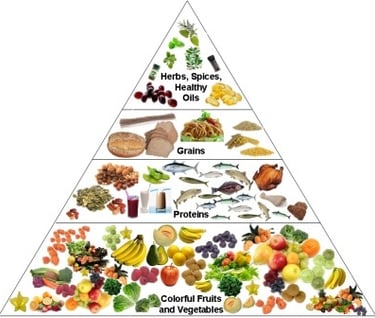
The Impact Of Diet On Mental Health
Diet plays a significant role in the functioning of the human mind. The nutrients and compounds we consume can have both short-term and long-term effects on cognitive function, mood, and overall mental health. Here are some ways in which diet can impact the human mind:
1. Cognitive Function: Certain nutrients, such as omega-3 fatty acids, antioxidants, vitamins, and minerals, are essential for optimal brain function. Omega-3 fatty acids, found in fatty fish, flaxseeds, and walnuts, are particularly important for brain health and may support cognitive abilities like memory and problem-solving.
2. Mood and Emotions: The gut-brain connection highlights the link between the digestive system and mood regulation. A balanced and healthy diet rich in whole foods, including fruits, vegetables, whole grains, lean proteins, and healthy fats, can help stabilize mood and reduce the risk of mood disorders like depression and anxiety.
3. Neurotransmitter Production: Amino acids, the building blocks of proteins, are crucial for the production of neurotransmitters like serotonin, dopamine, and norepinephrine. These neurotransmitters play a key role in regulating mood, motivation, and overall mental well-being. Foods containing tryptophan (a precursor to serotonin) and tyrosine (a precursor to dopamine) can influence neurotransmitter levels.
4. Inflammation: Chronic inflammation has been linked to various mental health conditions, including depression and cognitive decline. Diets high in processed foods, sugary snacks, and unhealthy fats can contribute to inflammation, while diets rich in anti-inflammatory foods like fruits, vegetables, nuts, and fatty fish can help reduce inflammation and support brain health.
5. Gut Microbiota: Emerging research suggests that the gut microbiota plays a crucial role in mental health. A diet high in fiber and prebiotics (found in foods like fruits, vegetables, and whole grains) can promote a diverse and healthy gut microbiome, which may positively impact mood and cognitive function.
6. Blood Sugar Regulation: Fluctuations in blood sugar levels can affect energy levels, concentration, and mood stability. A diet that helps maintain stable blood sugar levels, such as one focused on complex carbohydrates, fiber, and lean proteins, can contribute to consistent mental alertness and emotional balance.
7. Brain Aging and Neuroprotection: Certain foods rich in antioxidants, such as berries, dark leafy greens, and nuts, may help protect the brain from oxidative stress and age-related cognitive decline.
8. Caffeine: Consumption of caffeine and sugary foods can have short-term effects on alertness and mood. While moderate caffeine intake may enhance cognitive function, excessive consumption can lead to jitteriness and anxiety. High sugar intake can lead to energy crashes and mood swings.
It's important to note that individual responses to diet can vary, and a one-size-fits-all approach may not be effective. Consulting with a healthcare professional or registered dietitian can provide personalized guidance based on individual needs and goals. Overall, adopting a balanced and nutrient-dense diet, staying hydrated, and prioritizing healthy eating habits can contribute to improved mental well-being and cognitive function.